
Cody Kennedy is guest-posting on my blog today to talk about writers, authors, and his new book Slaying Isidore’s Dragons.
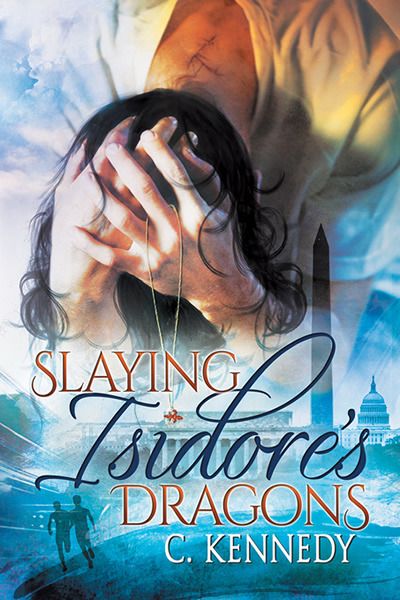
Cover and Artwork by Reese Dante
What are the Differences between a Writer and an Author?
By C. Kennedy
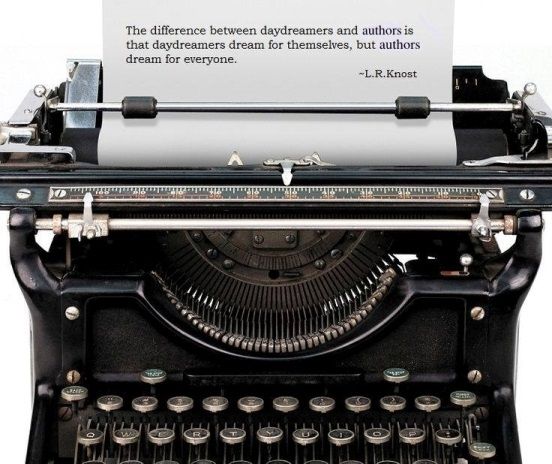
Though the terms “writer” and “author” are used interchangeably now, they are not synonymous. Let’s first look at the definitions of each word.
• Writer
noun writ·er \ˈrī-tər\
someone whose work is to write books, poems, stories, etc.
someone who has written something
• Author
noun au·thor \ˈȯ-thər\
a person who has written something; especially : a person who has written a book or who writes many books
a person who starts or creates something (such as a plan or idea)
As we see from the above definitions, only an author initiates ideas or creates.
Now let’s look at the etymology of each word.
Old English writere “one who can write, clerk; one who produces books or literary compositions,” agent noun from writan (see write, v.). Meaning “sign-painter” is from 1837. Write. Old English writan “to score, outline, draw the figure of,” later “to set down in writing” (past tense wrat, past participle writen), from Proto-Germanic writan “tear, scratch” (cognates: Old Frisian writa “to write,” Old Saxon writan “to tear, scratch, write,” Old Norse rita “write, scratch, outline,” Old High German rizan “to write, scratch, tear,” German reißen “to tear, pull, tug, sketch, draw, design”), outside connections doubtful. Words for “write” in most Indo-European languages originally mean “carve, scratch, cut” (such as Latin scribere, Greek graphein, glyphein, Sanskrit rikh-); a few originally meant “paint” (Gothic meljan, Old Church Slavonic pisati, and most of the modern Slavic cognates).
c.1300, autor “father,” from Old French auctor, acteor “author, originator, creator, instigator (12c., Modern French auteur), from Latin auctorem (nominative auctor) “enlarger, founder, master, leader,” literally “one who causes to grow,” agent noun from auctus, past participle of augere “to increase” (see augment). Meaning “one who sets forth written statements” is from late 14c. The -t- changed to -th- 16c. on mistaken assumption of Greek origin.
As we see from the etymology of each word, only an author originates ideas and causes ideas to grow by putting them forth and leading.
If we compare both the definitions and etymology of these words, it is plain to see that a writer is someone who puts pen to paper without contributing to creation of ideas. Whereas an author is a creator of ideas for what is written, and furthers those ideas by championing them.
Modern times have engendered further distinctions, as follows:
- If your written work is unpublished, you are a writer. If your written work is published, you are an author. These usages arose because the term author infers retrospect—meaning an author’s work is finished, can be viewed, and is available to be read.
- A writer’s skills are suited to the job at hand—to pen the ideas of another. An author’s skills are suited to imagine, create, pen their own ideas, and to further them.
- A writer cannot copyright his work because he is writing at the behest of others. An author must copyright his work to protect his ideas from infringement.
In sum, a writer puts words on paper to order (whether his own or by order of another) and an author imagines, creates, puts his ideas to pen, protects them, and furthers them.
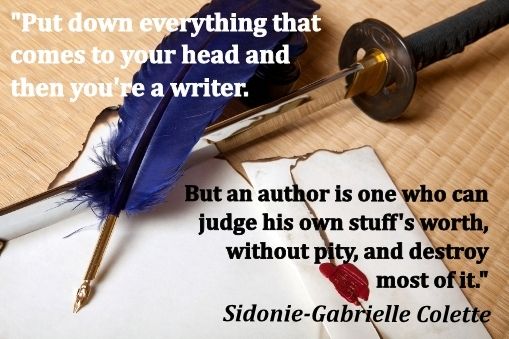
In the caveman days (days of my youth), if you were an author, it was offensive to be referred to as a writer because it inferred that you lacked imagination and the skill sets to create and further your stories. Alternatively, if you were a writer for a newspaper, radio, or television, or a writer of scripts for movie studios, it was offensive to be referred to as an author because it inferred that you lacked the skill sets to write to the specifications of your industry. Truth be told, to be an author you must not only possess the skill sets of an author, but also those of a writer as you must be able to write to the order of yourself.
In my new book, Slaying Isidore’s Dragons, I have extended my imagination and written the fantastic by penning an action-packed teen Bourne Identity. I hope you enjoy my authorship!
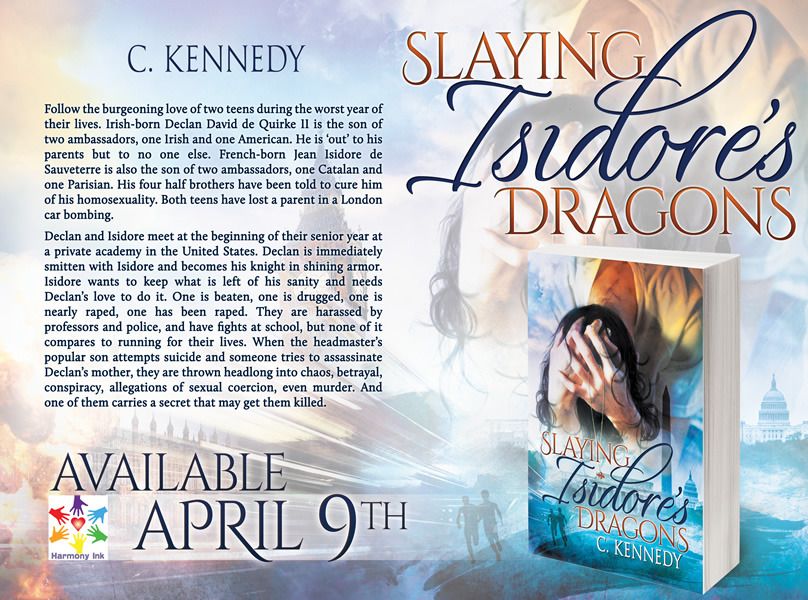
Cover and Artwork by Reese Dante

Slaying Isidore’s Dragons is available at Dreamspinner/Harmony Ink Press
Amazon GooglePlay Barnes & Noble OmniLit/ARe Beam-eBooks in Europe
Ingram Books for Libraries and Schools
About Cody Kennedy
Raised on the mean streets and back lots of Hollywood by a Yoda-look-alike grandfather, Cody doesn’t conform, doesn’t fit in, is epic awkward, and lives to perfect a deep-seated oppositional defiance disorder. In a constant state of fascination with the trivial, Cody contemplates such weighty questions as If time and space are curved, then where do all the straight people come from? When not writing, Cody can be found taming waves on western shores, pondering the nutritional value of sunsets, appreciating the much maligned dandelion, unhooking guide ropes from stanchions, and marveling at all things ordinary.
Stop by Cody’s Blog with questions or comments, or simply share what’s on your mind.
Find Cody on Facebook, Twitter @CodyKAuthor, Pinterest, Tumblr, Google+,
Ello, Goodreads, & read Cody’s free serial story, Fairy












Recent Comments